
How to Use the Head First PMP Latest Edition in Your PMP Study Plan
Preparing for the PMP exam takes more than reading a single book from cover to cover. It takes planning, consistent practice, and a clear understanding of how PMI expects candidates to think through real project scenarios. This is exactly why so many candidates turn to the head first PMP latest edition as their primary study resource. Its visual layout, story-driven examples, and plain language explanations make dense project management concepts easier to absorb.
At the same time, no single book covers everything a candidate needs. Pairing your reading with the PMP handbook gives you the official context around exam policies, eligibility, and PMI expectations that a study guide alone cannot provide. In this article, you will learn how to structure a study plan around the Head First PMP latest edition, how to use the PMP handbook effectively alongside it, and which habits separate successful candidates from those who struggle on exam day.
Why Choose the Head First PMP Latest Edition for PMP Preparation?
The Head First PMP latest edition stands out because it does not rely on dry, textbook-style writing. Instead, it uses relatable scenarios, visual diagrams, and repetition to help ideas stick. For candidates who learn better through examples than through memorization, this format makes a real difference.
The book also aligns closely with current PMI exam content, walking readers through predictive, agile, and hybrid approaches in a way that mirrors real workplace situations. This practical framing helps candidates connect theory to decisions they may actually face as project managers.
Building a Study Plan with the Head First PMP Latest Edition
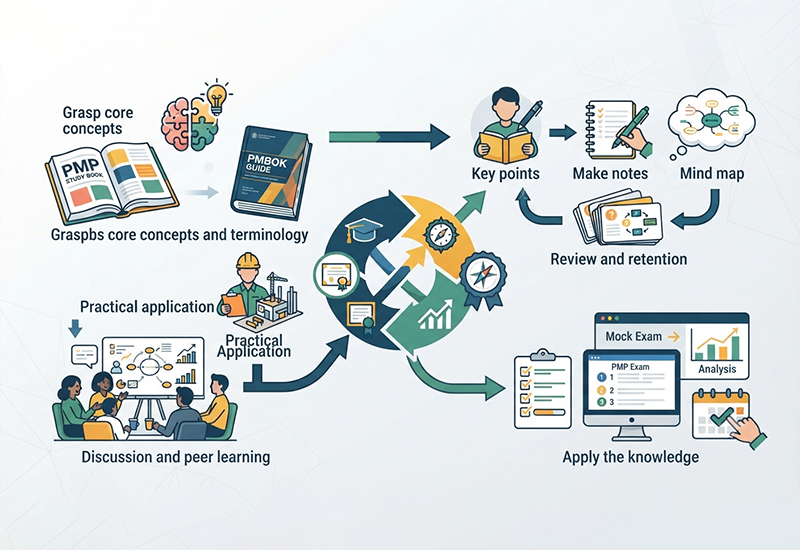
A study guide is only as effective as the plan behind it. Consider structuring your preparation like this:
Set a daily reading goal, such as one chapter every one to two days, so the material stays manageable. Reserve weekends for revision instead of new content, reviewing what you covered earlier in the week. After each chapter, answer the practice questions before moving forward, since testing yourself catches gaps before they become bigger problems.
Keep a simple notebook or digital file of key terms and processes as you go. Flashcards work particularly well for terminology and formulas that require repetition. As you near the end of the book, schedule full-length mock exams to build stamina and identify weak domains. Tracking your progress weekly, even in a basic spreadsheet, keeps you honest about what still needs attention.
Why the PMP Handbook Matters Alongside Your Study Guide
While the Head First PMP latest edition teaches concepts, the PMP handbook explains the rules of the exam itself. It outlines eligibility requirements, the application and audit process, exam policies, rescheduling rules, and the code of ethics PMI expects candidates to uphold.
Many candidates skip this resource, assuming it is only administrative. In reality, understanding these expectations helps you avoid last-minute surprises with your application and gives you a clearer picture of what PMI values in a certified professional. Reading the PMP handbook early, rather than right before your exam date, removes unnecessary stress from the process.
Common Mistakes While Using the Head First PMP Latest Edition
One frequent mistake is reading passively without practicing questions, which creates a false sense of confidence. Another is ignoring PMI-specific terminology in favor of everyday project management language, which can cause confusion on exam day.
Skipping revision is another common issue, since new material pushes older concepts out of memory without reinforcement. Some candidates memorize definitions instead of understanding how concepts apply to situational questions, which PMI relies on heavily. Avoiding mock exams until the last week is another setback, as timed practice reveals pacing issues early. Finally, treating the PMP handbook as optional rather than essential leaves candidates unprepared for procedural questions and application steps.
Tips to Get the Most from the Head First PMP Latest Edition
Follow a schedule that fits your actual routine rather than an idealized one. Revisit completed chapters briefly before starting new ones to reinforce retention. Practice situational and scenario-based questions regularly, since these mirror the real exam format.
Compare concepts from your study guide with the PMP handbook to understand both the practical and procedural sides of certification. Joining a study group, even an informal one, can clarify concepts you might misunderstand alone. Mind maps help connect related processes visually, and tracking weak areas ensures your final review weeks are targeted rather than random.
Should You Rely Only on the Head First PMP Latest Edition?
The Head First PMP Latest Edition is a strong foundation, but it works best as part of a broader strategy. Its strength lies in explanation and readability, not in replicating the full exam experience. Combining it with practice exams, the PMP handbook, and supplemental question banks gives you a more complete and realistic preparation experience.
Conclusion
The Head First PMP latest edition remains a valuable resource for candidates who want clear, practical explanations of project management concepts. Paired with the PMP handbook, it gives you both the knowledge and the procedural understanding needed for a confident exam experience. A structured plan, consistent revision, and honest self-assessment matter just as much as the materials you choose. Build a routine that fits how you learn best, stay consistent, and trust the process as you work toward certification.


